
Coffee Bean Storage Guide 2026: How to Keep Your Beans Fresh Longer
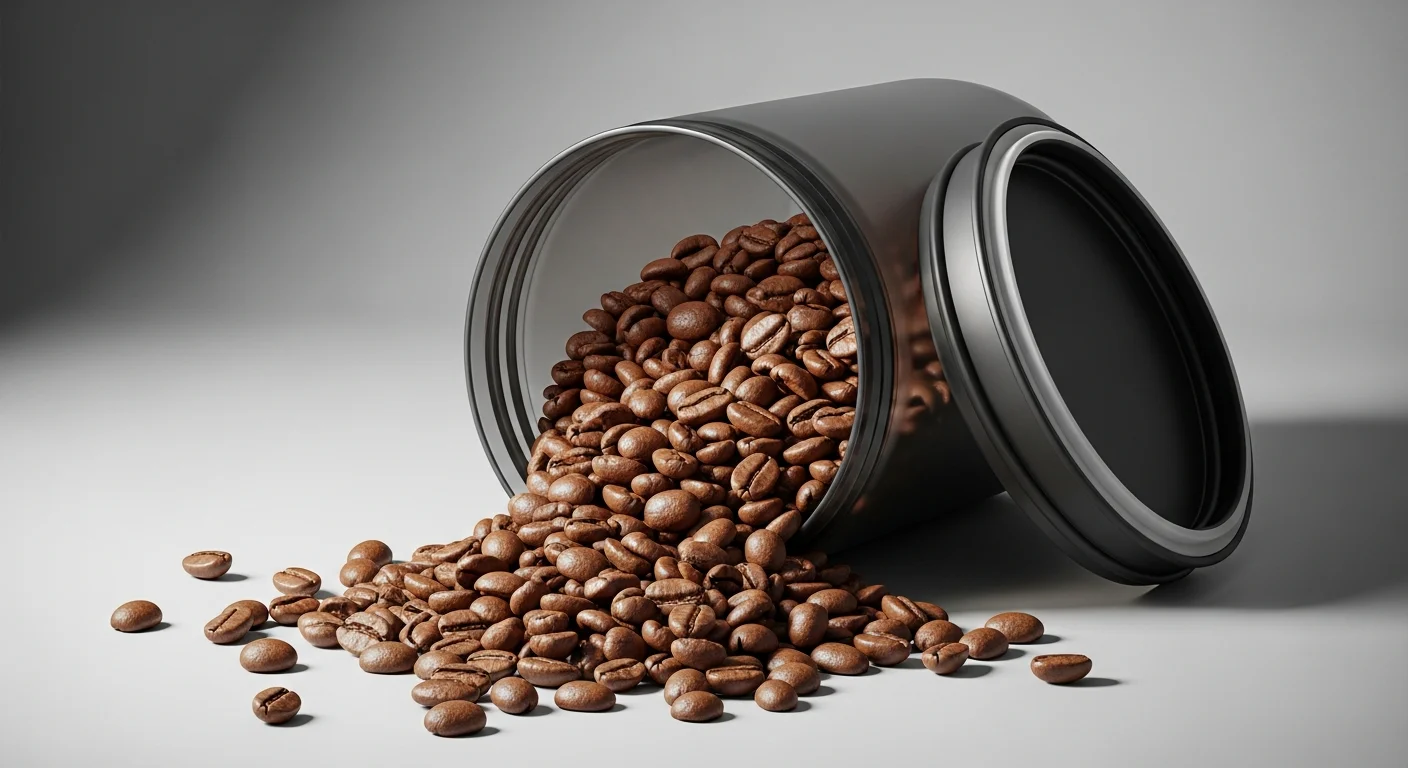
Key Takeaways
- The four enemies of coffee freshness are oxygen, light, moisture, and heat
- An airtight, opaque container at room temperature is the standard approach
- Freezer storage works well for beans you will not use within a week
You buy excellent coffee, brew the first cup and it is wonderful, but by the end of the bag the flavor seems noticeably flatter. This is one of the most common coffee frustrations, and almost always comes down to how the beans were stored after opening.
This guide explains why coffee beans lose their freshness, identifies the specific conditions that accelerate degradation, and gives you a practical framework for storing beans at home to maximize every bag you open.
The Four Enemies of Coffee Freshness
Coffee bean degradation comes from four main sources. Understanding them makes every storage decision straightforward.
1. Oxygen (oxidation): The oils in roasted coffee react with oxygen to form compounds that smell and taste rancid. Oxidation is the most damaging and fastest-acting enemy of freshness. According to an SCA literature review, comparing a zero-oxygen environment with normal atmospheric air (approximately 21% oxygen) shows a roughly 20-fold difference in degradation rate — making oxygen control the single highest-leverage storage action.
2. Light (photo-oxidation): Ultraviolet light breaks down the volatile aromatic compounds in coffee. Storing beans in clear glass jars or transparent bags on a countertop significantly accelerates flavor loss.
3. Moisture (absorption): Roasted coffee beans are highly porous and absorb water vapor readily. Moisture promotes mold and dulls flavor, and is especially problematic in humid climates.
4. Heat (thermal degradation): High temperatures accelerate all chemical reactions, including oxidation and aromatic breakdown. Fluctuating temperatures cause condensation, compounding moisture damage.
Research by Sanz et al. (2001) cited in SCA resources shows that freshness loss is fastest during the first month after roasting — another study found that even beans at one week post-roast were rated as "noticeably less aromatic" by trained panelists. Purchasing only what you can use within one to two weeks, bought regularly from a roaster who dates their bags, keeps you consistently in the freshness window.
The Core Approach: Room Temperature, Opaque, Airtight
The standard storage recommendation for coffee beans is room temperature in an opaque, airtight container. Here is why each element matters.
Room temperature is preferred over the refrigerator: The refrigerator introduces two problems — humidity from the cold environment and odor absorption from other foods. Repeatedly moving a container in and out of the refrigerator also creates temperature differentials that cause condensation inside the container. For beans you will use within two weeks, room temperature is safer and simpler.
Opaque containers block light: Choose a container you cannot see through — matte or opaque materials, metal tins, or ceramic jars work well. If you use a clear container, keep it inside a cupboard or drawer out of direct light at all times.
Airtight seals reduce oxygen exposure: Look for containers with silicone gaskets, screw-top lids, or valve-equipped bags that limit how much fresh air reaches the beans. The less oxygen contact after opening, the slower the oxidation.
Two Recommended Storage Containers
Kalita All Clear Bottle 300
Kalita is a well-established Japanese coffee equipment brand, and the All Clear Bottle reflects their focus on practical, well-made accessories. The sealed cap creates a reliable barrier against oxygen. The 300ml capacity holds approximately 100–120g of whole beans, which is about a one-to-two week supply for a daily brewer. It is compact enough to fit easily in a cabinet and the clear body lets you monitor how much coffee remains without opening the lid. Keep it stored away from light sources.
HARIO Canister M
The HARIO Canister uses a screw-top lid with a silicone gasket that provides excellent airtightness. Glass does not absorb or transfer odors, which is a meaningful advantage — your coffee will not pick up traces of garlic or spices from the surrounding air. The borosilicate glass is microwave-safe and dishwasher-compatible, making cleaning simple. The clean, minimal aesthetic makes it easy to keep on a shelf, though as with any glass container, light exposure should be minimized by placing it in a dark cupboard.
Neither of these containers has inherent light-blocking properties. If you keep them anywhere they receive direct sunlight or bright ambient light, the beans will degrade regardless of how well the container seals. Both should be stored inside a cabinet or drawer as a standard practice.
Freezer Storage: When and How to Do It Right
The question of whether freezer storage is good or bad for coffee has been debated for years. The current 2026 consensus is that it works well when done correctly and is significantly harmful when done carelessly.
Good candidates for freezer storage:
- Beans purchased in bulk that will take more than a month to use
- Long-term storage of limited or rare roasts
- Pre-measured portions for a consistent weekly supply
How to freeze coffee correctly:
- Divide the beans into one-week portions before freezing
- Use zip-lock bags and remove as much air as possible before sealing
- Store at the back of the freezer where temperature is most stable
- Remove only what you need for that week; never refreeze a portion you have thawed
- Let the sealed bag reach room temperature completely before opening — this prevents condensation from forming on the beans
What to avoid:
- Daily trips to the freezer for small amounts (repeated condensation cycles destroy quality)
- Storing beans in insufficiently sealed containers (freezers contain strong odors that coffee absorbs rapidly)
Storing Pre-Ground Coffee
If you buy or store ground coffee rather than whole beans, freshness degrades significantly faster. Grinding increases the surface area of the coffee dramatically — by some estimates the contact area between coffee particles and air increases by a factor of 50 or more compared to whole beans. This means oxidation that takes weeks in a whole bean takes days in ground coffee.
Practical guidelines for ground coffee:
- Ideal: Grind only what you will brew immediately
- Acceptable: Use within 5–7 days of grinding; store in a sealed container at room temperature
- Maximum: Two weeks. Beyond this, flavor loss will be noticeable even with proper storage
If you currently buy pre-ground coffee and find the flavor disappointing, switching to whole beans and a basic hand grinder will produce a more immediate improvement than any container or storage technique.
Summary: Buy Less, Buy More Often
The essentials of coffee bean storage.
- Protect against the four enemies: oxygen, light, moisture, and heat — each requires a specific storage behavior
- Use an airtight, opaque container at room temperature for beans you will use within two weeks
- Freeze correctly for long-term storage: small portions, fully sealed, return to room temperature before opening
- Minimize pre-ground storage: grind fresh whenever possible
The most reliable strategy is also the simplest — buy a smaller amount more frequently from a roaster who marks the roast date clearly. No container or storage system can fully substitute for starting with fresh beans.
References & Sources
About the Author

Coffee Guide Editorial
A team of writers and baristas passionate about coffee. We cover everything from bean selection and brewing methods to café culture.
Team Credentials
- Certified baristas
- Specialty roasting café experience
- Coffee import industry experience