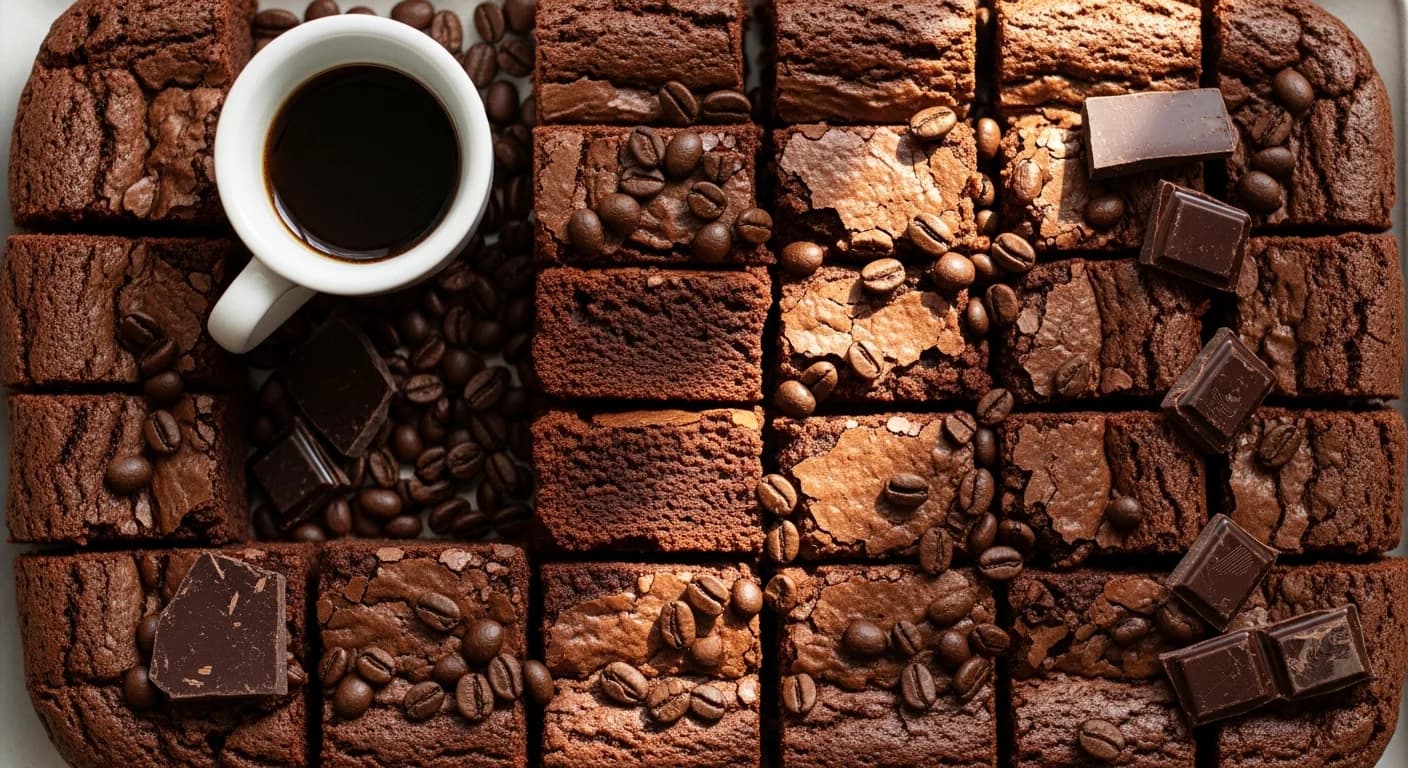
Coffee Cake Recipe: Simple Coffee-Flavored Sponge Cake
PRThis article contains affiliate links
Key Takeaways
- Instant coffee dissolved in a small amount of hot water integrates cleanly into sponge batter without altering its structure
- Coffee buttercream made with cooled espresso produces a more complex flavor than instant-based versions
- The main failure modes are overmixing after adding flour and adding warm liquid to the buttercream
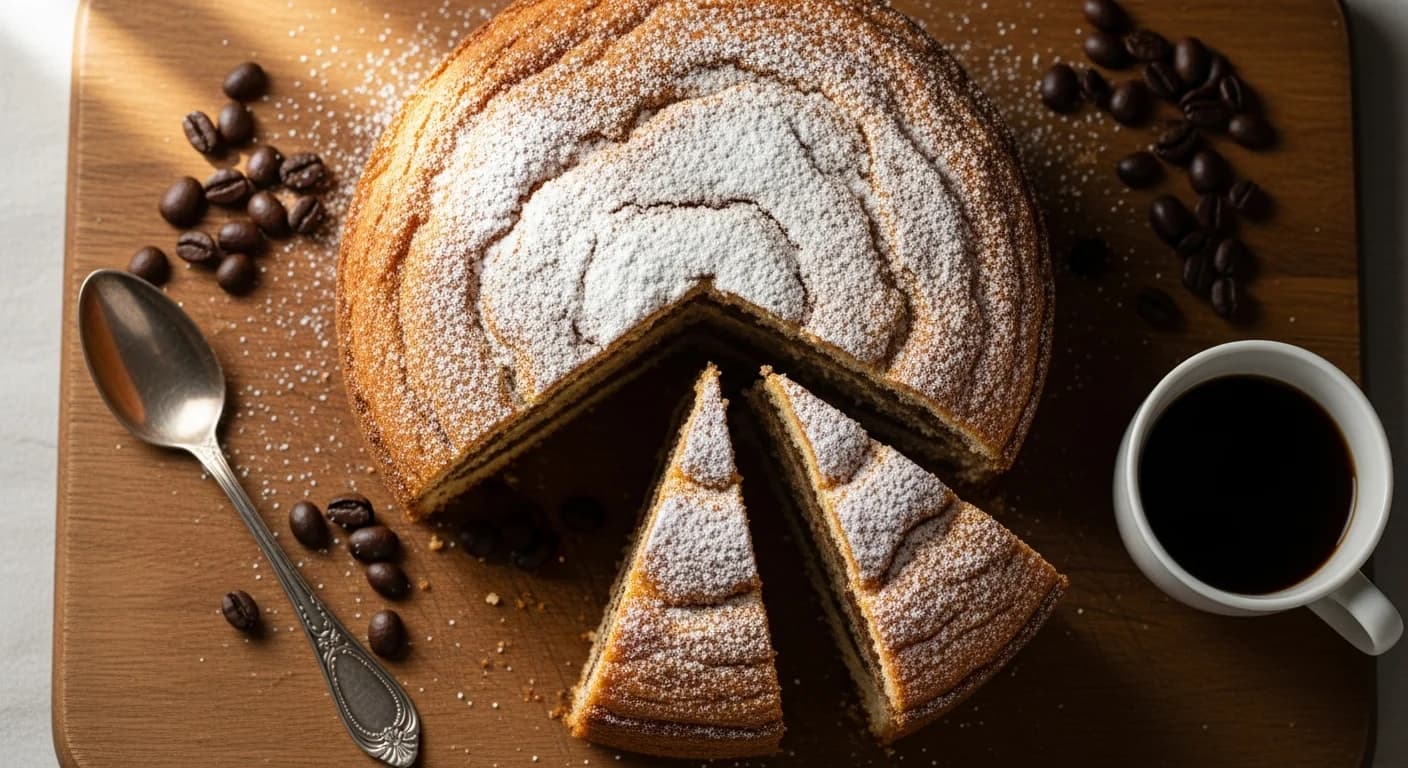
A coffee-flavored sponge cake is one of the most satisfying ways to use coffee as a baking ingredient. The technique is identical to a standard genoise — the only modification is adding dissolved coffee to the batter. This recipe covers the sponge, a coffee buttercream, and the assembly.
Coffee Cake Recipe: Simple Coffee-Flavored Sponge Cake
Ingredients
- コーヒー50ml
- 薄力粉200g
- 砂糖100g
- 卵2個
Steps
- 1.Preparation
- 2.Whip the eggs
- 3.Fold in flour
- 4.Bake
- 5.Make the buttercream
Ingredients (15cm / 6-inch round, 2 layers)
Sponge
- 80g (2/3 cup) cake flour, sifted
- 2 tbsp instant coffee dissolved in 2 tbsp hot water (or 2 tbsp cooled espresso)
- 3 eggs, room temperature
- 90g (7 tbsp) caster sugar
- 20g (1.5 tbsp) unsalted butter, melted
- 2 tbsp whole milk
Coffee Buttercream
- 150g (10.5 tbsp) unsalted butter, room temperature
- 150g (1.25 cups) powdered sugar, sifted
- 2 tbsp cooled espresso or strong instant coffee
Equipment
- 15cm (6-inch) round cake tin, preferably loose-bottomed
- Electric hand mixer or stand mixer
- 2 large mixing bowls
- Rubber spatula
- Fine mesh sieve for flour
- Wire cooling rack
Instructions
Step 1: Preparation
Preheat oven to 170°C (340°F). Line the cake tin with parchment. Dissolve instant coffee in hot water and let cool to room temperature. Melt butter with milk in a small bowl and keep warm (around 60°C / 140°F).
Room temperature eggs: Eggs straight from the refrigerator do not whip as well and produce a denser sponge. Take them out at least 30 minutes before starting.
Step 2: Whip the eggs
In a large bowl set over a pot of simmering water (bain-marie, 40–50°C), whisk eggs and sugar with a hand mixer until the mixture reaches ribbon stage — when you lift the beaters, the batter should fall in a thick ribbon that holds its shape for about 10 seconds. Remove from heat and continue beating until the mixture is pale, thick, and cooled.
Step 3: Fold in flour
Sift the cake flour over the egg mixture in three additions, folding gently with a rubber spatula each time. Use a bottom-to-top scooping motion. Stop as soon as no streaks of flour remain — overmixing develops gluten and deflates the foam.
Combine the warm butter-milk mixture with the cooled coffee liquid. Pour this down the side of the bowl and fold quickly until just incorporated.
Step 4: Bake
Pour batter into the prepared tin. Drop the tin on the counter 2–3 times from a low height to release large bubbles. Bake at 170°C for 25–30 minutes. A skewer inserted in the center should come out clean.
Unmold immediately and cool completely on a wire rack before frosting.
Step 5: Make the buttercream
Beat room-temperature butter with a hand mixer until pale and fluffy, about 3 minutes. Add powdered sugar in 2–3 additions, beating well after each. Add the cooled espresso gradually, beating until smooth and creamy.
Temperature matters for buttercream: The espresso must be fully cooled before adding. Warm liquid will melt the butter and cause the cream to separate. If this happens, briefly refrigerate the mixture and re-beat it.
Step 6: Assemble
Slice the cooled sponge horizontally into 2–3 layers. Spread buttercream between each layer and stack. Apply a crumb coat to the outside, refrigerate briefly, then apply a final layer of buttercream. Dust with cocoa powder or instant coffee, or press whole coffee beans into the top.
Adjusting Coffee Intensity
| Instant coffee | Flavor | Best for |
|---|---|---|
| 1 tbsp (light) | Faint coffee note | Coffee-cautious guests |
| 2 tbsp (standard) | Clear coffee flavor | General preference |
| 3 tbsp (strong) | Bold, slightly bitter | Coffee enthusiasts |
Storage
Refrigerate for up to 3–4 days. Remove from refrigerator 30 minutes before serving — buttercream firms up significantly when cold and needs time to soften to its best texture.
Summary
- Dissolve instant coffee in hot water before adding to batter — do not add powder directly
- Fold flour in; do not mix — overmixing is the primary failure mode
- Cool all liquid (coffee, espresso) completely before adding to buttercream
- Espresso-based buttercream produces noticeably more complex flavor than instant-based versions
Related Articles
About the AuthorExpert Reviewed

Coffee Guide Editorial
A team of certified writers and baristas with hands-on experience at origin farms and roasteries. We deliver practical, experience-backed guides on bean selection, brewing methods, and equipment reviews.
Credentials & Experience
- J.C.Q.A. Certified Coffee Instructor
- SCA Certified Barista
- 5+ years running a specialty roasting café
- 200+ coffee beans tasted annually